
What Should I Do If My Pipes Freeze?
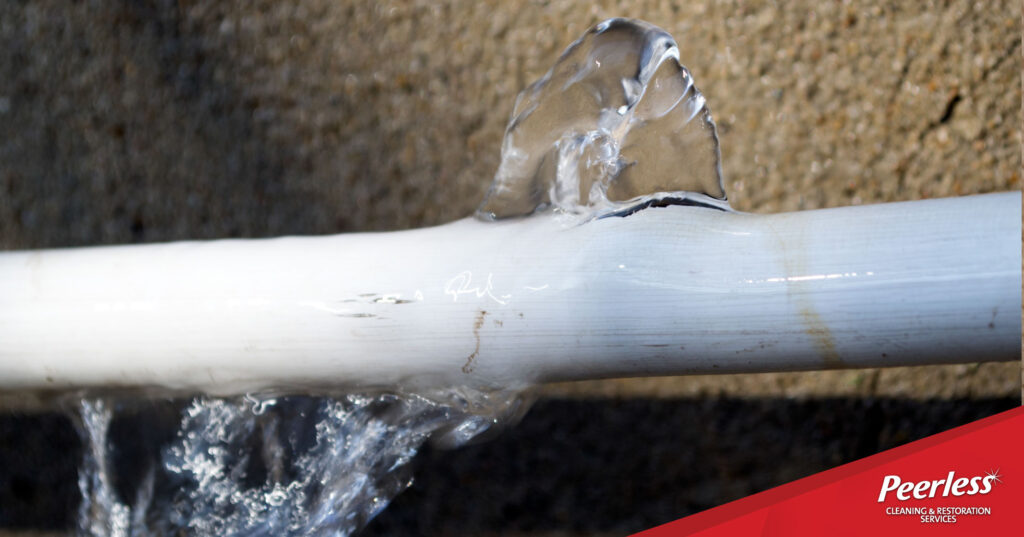
A frozen pipe that has burst under pressure — a common winter emergency that requires fast action.
When temperatures drop, frozen pipes quickly become one of the most common, and costly, winter emergencies. A frozen pipe can interrupt your water supply, create major pressure inside the line, and in the worst cases, burst and flood your home.
The good news? Knowing the early signs and what steps to take can help prevent damage or reduce the severity of it. Here’s a clear, straightforward guide to understanding frozen pipes and what to do next.
How Do I Know if My Pipes Are Frozen?
Frozen pipes don’t always reveal themselves right away, but these signs are common:
- Little or no water flow from faucets
- Slow-running water or sputtering
- Frost or condensation on the outside of the pipe
- Unusual smells coming from sinks or drains
- Cold surfaces or drafts around exposed piping
Pipes most at risk include those in uninsulated basements, crawlspaces, attics, exterior walls, and under sinks.
If water flow suddenly slows or stops during a cold snap, assume the pipe is frozen and take action immediately.
What Temperature Do Pipes Freeze At?
Pipes begin to freeze when temperatures reach 20°F or lower, but temperature alone isn’t the only factor. These conditions increase the risk:
Weather Conditions That Contribute to Frozen Pipes
- Wind chill: Cold air moving through cracks accelerates freezing
- Rapid temperature drops: Pipes freeze faster when the temperature plummets overnight
- Poor insulation: Uninsulated or exposed pipes freeze much more easily
- Consistently cold rooms: Areas of the home that don’t receive heat
Even if your thermostat is set correctly, hidden areas of your home can still fall below freezing.
What Causes a Pipe to Break?
Contrary to popular belief, it’s not the ice itself that causes a pipe to burst. It’s the pressure.
Here’s what actually happens:
- Water inside the pipe freezes and expands.
- The expanding ice creates pressure between the frozen blockage and a closed faucet.
- When the pressure becomes too great, the pipe cracks or bursts.
Once it thaws, all that trapped pressure releases, often resulting in hundreds or thousands of gallons of water flooding the home.
What Should I Do if My Pipes Freeze (But Haven’t Burst Yet)?
Act quickly and carefully:
- Turn on the affected faucet
Even a small drip helps relieve pressure. - Warm the pipe gradually
Use a hair dryer, space heater, or warm towels.
Never use open flames or torches as this is a major fire hazard. - Open cabinet doors
Allow warm air to reach pipes under sinks. - Check nearby pipes
Where one pipe freezes, others may not be far behind.
If you can’t locate the frozen section, or if the pipe is in a wall or difficult-to-reach area, call a professional. Delaying can lead to a burst pipe.
What Should I Do if a Pipe Breaks?
A burst pipe is an emergency. Here’s what you should do immediately:
- Shut off your water supply
This stops additional water from entering the home through the break. - Turn off electricity in affected areas
Water + electricity is extremely dangerous. - Begin removing standing water
Towels, buckets, wet vacs, anything to reduce damage before help arrives. - Call a water damage restoration team, like Peerless, immediately
The faster the response, the less damage your home will sustain.
Peerless offers 24/7 emergency response for situations just like this.
Does Homeowners Insurance Cover Frozen Pipe Water Damage?
Most homeowners insurance policies do cover water damage caused by a burst frozen pipe, but only if the home was properly maintained.
Typically covered:
- Sudden and accidental water damage
- Cleanup and restoration of affected areas
- Damage to floors, drywall, furniture, and personal items
Typically not covered:
- Damage due to neglect
- Long-term ongoing leaks
- Homes left unheated during freezing weather
Always check your policy or speak with your insurance agent for specific coverage details.
If the Worst Happens, We’re Here to Help
A frozen or burst pipe can feel overwhelming, but you don’t have to navigate it alone. At Peerless, we’ve helped Central Illinois families recover from water damage for decades.
Our team provides:
- 24/7 emergency response
- Water extraction and drying
- Mold prevention and remediation
- Full restoration services
When time matters and damage spreads fast, trust the local experts who have been serving this community since 1945.
Stay warm, stay prepared, and know that we’re only one call away. Contact us now!