
Protecting Your Home from Water Damage During Storm Season
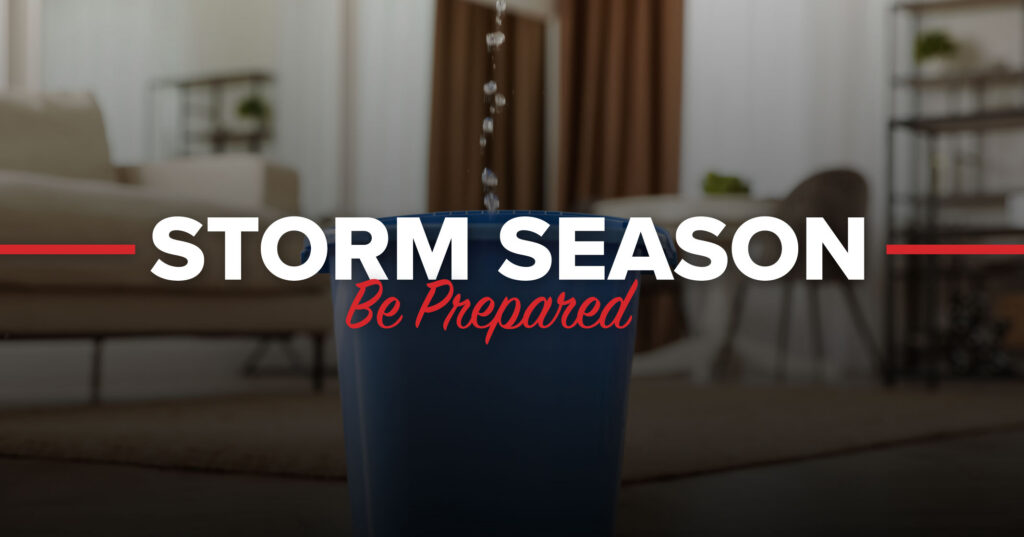
Storm season can lead to unexpected water damage—preparing your home helps reduce risk.
In Central Illinois, storm season can arrive quickly and without much warning. Heavy rain, strong winds, and tornado activity can leave homes vulnerable to sudden water damage… sometimes in a matter of minutes.
While we cannot prevent storms, we can take practical steps to reduce the risk of water damage and prepare for a fast response if it occurs. Water damage preparedness is about protecting your property before the weather turns severe and dangerous.
How Thunderstorms and Tornadoes Lead to Water Damage
Storm season typically begins as winter transitions into spring, when warmer, moist air collides with lingering cool air, creating unstable conditions that fuel thunderstorms, heavy rain, flash flooding, and tornado outbreaks. Severe weather, including conditions that can lead to significant water intrusion in homes and businesses, is most common between March and July, with tornado season peaking in April through June in Illinois. During this time, heavy rainfall and storm systems can overwhelm drainage, damage roofs and siding, and lead to flooding or interior water damage if proper preparation isn’t taken.
Storm related water damage often comes from:
- Roof damage from high winds
- Broken windows or compromised siding
- Flooded basements due to heavy rainfall
- Sump pump failures during power outages
- Ice and debris blocking proper drainage
- Fallen trees damaging roofing systems
Steps to Prepare Before a Storm Hits
Monitoring the weather before storms develop is one of the simplest ways to reduce risk. Pay attention to forecasts from the National Weather Service, enable weather alerts on your phone, and watch for storm watches versus warnings. A watch means conditions are favorable for severe weather, while a warning means it is happening or imminent. Keeping an eye on radar during warm, unstable spring and summer days can provide valuable lead time to secure outdoor items, check sump pumps, and prepare your home before heavy rain or damaging winds arrive.
A few preventative measures can significantly reduce your risk:
- Inspect Your Roof and Gutters: Ensure shingles are secure and gutters are clear of debris so rainwater can drain properly.
- Test Your Sump Pump: Make sure it is working correctly and consider a battery backup system in case of power loss.
- Seal Windows and Doors: Check for cracks or worn seals where wind-driven rain could enter.
- Trim Nearby Trees: Remove weak or overhanging branches that could damage your roof during strong winds.
- Know Your Shut Off Locations: Be familiar with your water main and electrical panel in case emergency action is needed.
Preparation doesn’t eliminate risk, but it can limit the extent of damage.
After the Storm: What to Look For
Once you have checked and concluded that the storm has passed. Then and only then is it safe to assess your property, or the area surrounding your home/business. Ideal items of damage to check for:
- Water stains on ceilings or walls
- Damp carpeting or flooring
- Standing water in basements
- Musty odors
- Bubbling paint or drywall
- Visible roof damage
Water can travel behind walls and beneath flooring. Even if damage appears minor, or take days to appear. Hidden moisture can lead to structural issues or mold growth if not properly addressed.
If you notice signs of water intrusion, it’s important to act quickly. The first 24–48 hours are critical after storm related water damage. Prompt extraction and drying help reduce structural damage, prevent mold growth, minimize odor issues, protect flooring contents, and shorten overall restoration time. Furthermore, delaying response can increase both the cost and complexity of repairs.
Peerless is here to help!
If your home experiences storm related water damage, Peerless provides 24/7 emergency water damage restoration services throughout Central Illinois. When that happens, a fast response is critical. Our team is ready around the clock to assess the situation, remove standing water, begin professional drying, and take the necessary steps to prevent further damage such as mold growth or structural deterioration. With decades of experience serving our community, Peerless is prepared to respond when storms disrupt your home and help guide you through the restoration process from the first call to the final stages of recovery.
Our team will:
- Assess the extent of the damage
- Remove standing water
- Deploy professional drying equipment
- Monitor moisture levels
- Help guide you through documentation and insurance communication
We understand that storms impact more than property… they disrupt families and routines. Our goal is to restore your home safely and efficiently while supporting you through the process.
Preparation Brings Peace of Mind
Storms can arrive quickly, but preparation makes a difference. Taking a few simple steps now can help protect your home and reduce the impact of unexpected water damage.
Contact Peerless Cleaning & Restoration Services for immediate assistance. Our team is available 24/7 to respond, assess the damage, and begin the restoration process right away. We’ll guide you through each step and help restore your home safely and efficiently.
Frequently Asked Questions
What should I do immediately after storm-related water damage?
Start by making sure your home is safe. If there are electrical hazards or structural concerns, avoid entering the affected areas. Once it is safe, contact a professional restoration team as quickly as possible to begin water removal and drying.
How quickly should water damage be addressed?
Water damage should be addressed within the first 24 to 48 hours. Acting quickly helps reduce structural damage, prevents mold growth, and limits the overall cost and scope of repairs.
Will my homeowner’s insurance cover storm damage?
In many cases, storm-related water damage is covered, but coverage can vary depending on your policy. Our team can help guide you through documentation and communication with your insurance provider.
Can water damage lead to mold?
Yes. Moisture that is not properly removed can lead to mold growth, often within a short period of time. Professional drying and monitoring help prevent this from happening.
Is it safe to clean up water damage myself?
Minor situations may be manageable, but larger or hidden damage often requires professional equipment and expertise. Water can spread behind walls and under flooring, making it difficult to fully address without proper tools.
How long does the restoration process take?
The timeline depends on the extent of the damage. Some situations can be addressed in a few days, while more severe damage may take longer. A professional assessment will provide a clearer timeline.
Stay Connected with Peerless
Keeping your home or business clean and protected doesn’t stop with one service. We regularly share helpful tips, seasonal reminders, and insights to help you stay ahead of common issues.
Follow Peerless Cleaning & Restoration Services on Facebook, Instagram, LinkedIn, and YouTube to stay informed, learn what to look for, and see how we continue serving homes and businesses across Central Illinois. And don’t forget to check out our podcast The Table to learn about leaders in our community!